RTP and Volatility, Explained Simply
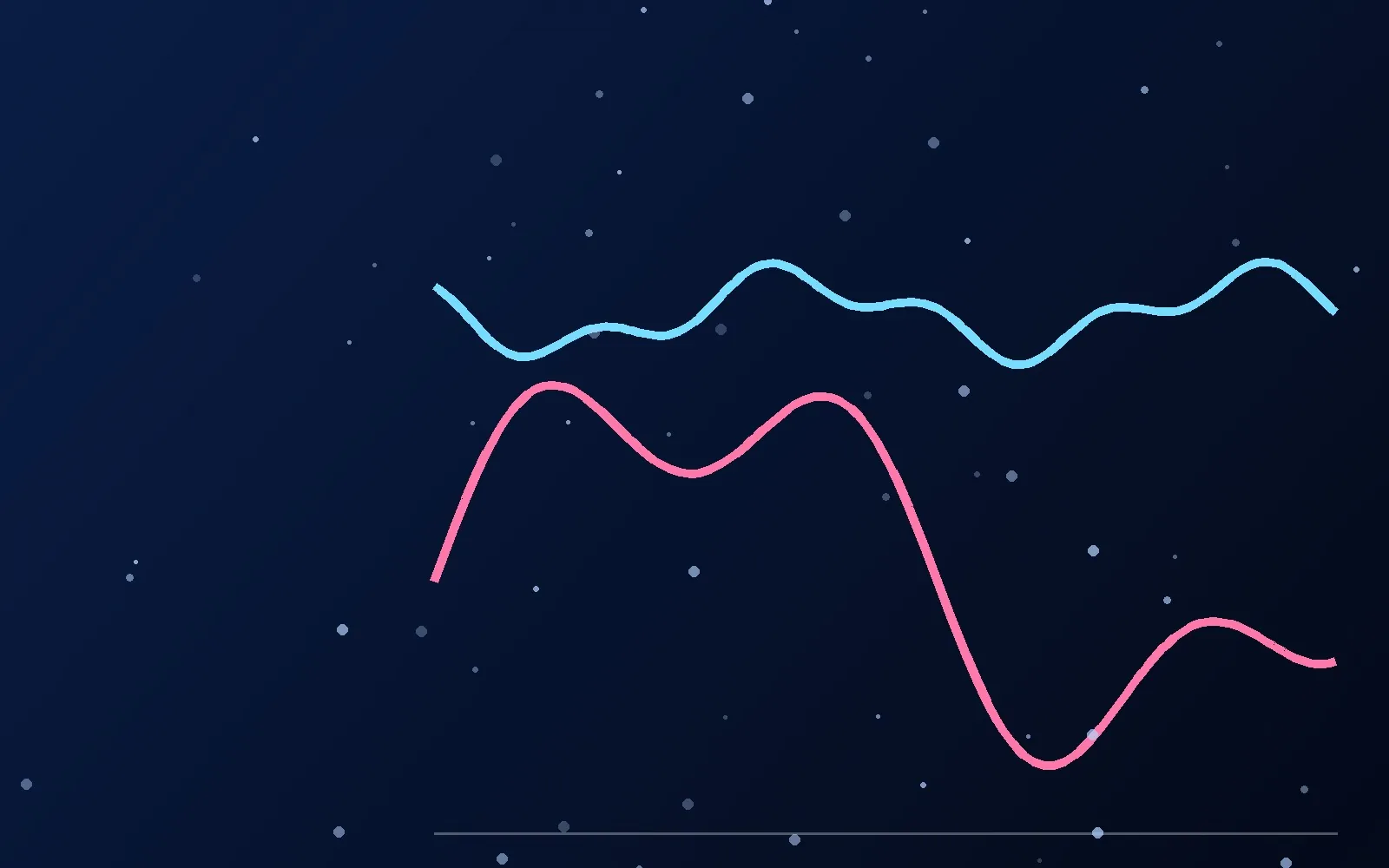
Two numbers decide how a slot feels to play. What a 96% RTP really means, why volatility matters more in a single session, and where to find the real figures.
RTP: the long-run average
Return to Player (RTP) is the share of all money bet that a game pays back over a very large number of spins. A 96% RTP means that, across millions of spins by all players, about 96 of every 100 units bet come back as wins.
It does not mean you get €96 back from €100 in a session. Over a few hundred spins, results can be far above or far below the average.
Volatility: how the wins are spread
Volatility (or variance) describes the shape of the payouts:
- Low volatility — frequent small wins, a balance that moves slowly.
- High volatility — long dry spells, rare but large wins.
Two games can have the same RTP and feel completely different because of volatility.
Hit frequency
Some providers publish a hit frequency — how often a spin returns any win. A 25% hit frequency means roughly one winning spin in four, though many "wins" are smaller than the bet.
The same game, different RTPs
Many providers supply each game in several RTP versions — for example around 96.5%, 95.5% and 94.5% — and the casino chooses which to run. The information or rules screen inside the game shows the version you are actually playing.
RTP tells you about the long run. Volatility tells you about tonight.